

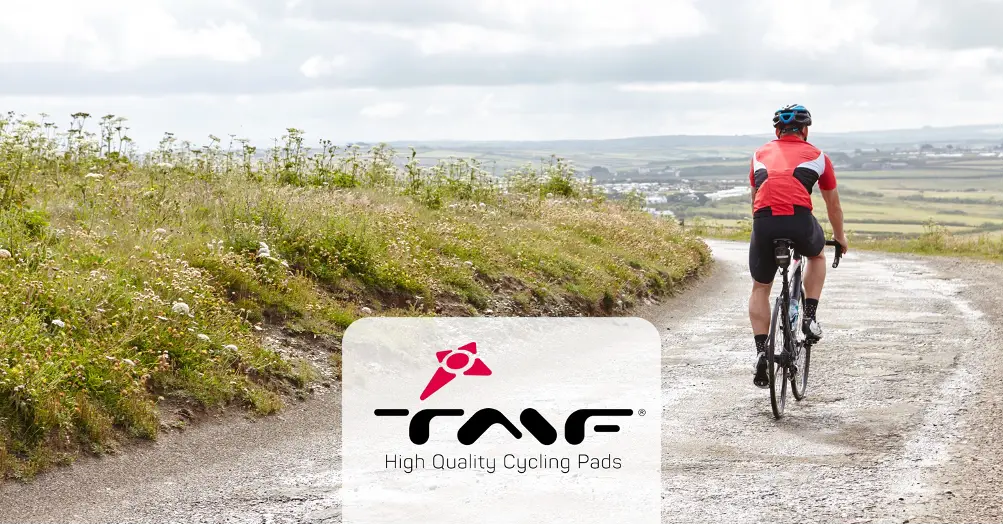
In recent years, gravel cycling has become one of the most popular style among cyclists worldwide, combining the off-road and road cycling. This discipline allows cyclists to explore mixed terrains — from white gravel roads to forest trails — while enjoying spectacular landscapes and taking on unique technical challenges.
With the first gravel race in the province of Málaga set for May 24, 2025, more and more cyclists are getting into this growing discipline. However, to fully enjoy the gravel experience, having the right equipment is essential, including specific chamois designed to handle the demand of mixed terrain.
What Makes Gravel Cycling So Unique?
Unlike road cycling or mountain biking, Gravel requires something different — endurance, technique and the ability to react to changing surfaces. Here is what makes it stand out:
- Variable terrains: Gravel cycling covers mixed surfaces, including asphalt, gravel, dirt and mud, requiring versatile and durable equipment.
- Long distances: Gravel routes often exceed 100 km, testing both physical endurance and comfort on the saddle.
- Bicycle riding technique: Due to the uneven surfaces, the pad ability to disperse vibrations becomes an essential requirement.
Why Choosing the Right Chamois for Gravel Cycling Is Essential: TMF’s Tips
Riding long distances on mixed terrain can put significant strain on a cyclist’s body. A high-quality chamois is not just a piece of gear – it is a true ally in enhance performance and prevent discomfort during the ride.
1. Shock absorption and impact protection
White roads and gravel trails generate continuous vibrations, which can cause muscle fatigue and pain over time. An ideal gravel pad should be:
- Shock-absorbing: To disperse micro-vibrations from rocks and roots.
- Supportive: With optimized foam and thickness to reduce pressure in sensitive areas.
- Wear-resistant: Capable of maintaining its shock-absorbing properties even after hours of use.
2. Breathability and Moisture Management
During gravel rides, conditions can change quickly — shifting from sunny to wet and muddy sections. To avoid chafing and irritation, the chamois should:
- Quickly wick away moisture, keeping the skin dry even in the toughest conditions.
- Regulate body temperature, preventing overheating, especially when the weather heats up.
- Dry quickly, avoiding that unpleasant damp feeling during breaks or descents.
3. Comfort and Freedom of Movement
Long distances require a fit that moves with the cyclist, without causing pressure points or chafing. A good gravel chamois should have:
- An anatomical design, to follow the body’s movements without creating creases or friction.
- Optimized elasticity, to ensure freedom of movement even during technical maneuvers.
Additional tips to get ready for a gravel ride
In addition of choosing the right cycling-pad, here are some tips to improve your gravel experience:
- Suitable tires: choose tires with a tread designed for mixed terrain, ensuring traction and puncture resistance.
- Ergonomic handlebars and grips: to improve control and reduce hand fatigue.
- Layered clothing: Bring lightweight, windproof jackets, as conditions can change quickly.
- Hydration and nutrition: Do not underestimate the importance of maintaining energy and hydration during long rides.
Conclusion
Gravel cycling represents a unique challenge in the world of cycling, combining the thrill of adventure with the technique of an off-road riding. Choosing a high-quality chamois, specifically designed for this type of discipline, can make the difference between an enjoyable ride and a day of discomfort on the saddle.
If you want to enjoy every kilometer of your next gravel ride, choose a TMF pad, designed to offer comfort, protection and durability in all conditions.
Want to learn more about our gravel cycling pads?
Contact us for more information.